


Introduction
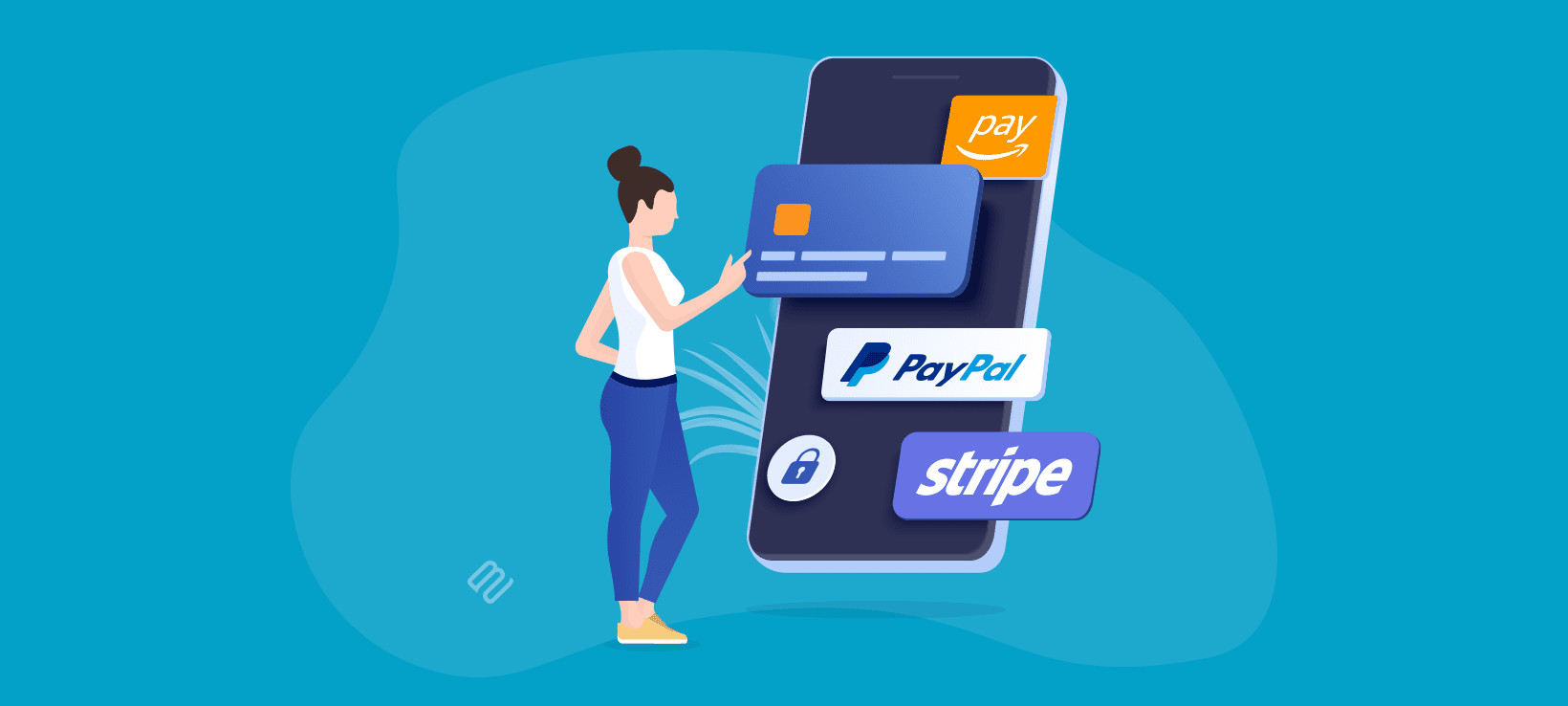
A reliable payment gateway is essential for any online store to facilitate smooth and secure transactions. Whether you’re a small business or a large e-commerce platform, choosing the right payment gateway impacts customer satisfaction, transaction security, and overall business growth. This article explores the best payment gateways for online stores and how they can enhance your business operations.
1. What is a Payment Gateway?
A payment gateway is a service that authorizes and processes online transactions for businesses. It acts as a bridge between the customer, the merchant, and the financial institutions, ensuring secure and seamless payment processing.
2. How to Choose the Best Payment Gateway for Your Online Store?
When selecting a payment gateway, consider the following factors:
- Security features (PCI-DSS compliance, encryption)
- Transaction fees (percentage per transaction, setup fees)
- Payment methods supported (credit/debit cards, PayPal, cryptocurrency)
- Integration options (compatibility with your e-commerce platform)
- Payout speed (time taken to transfer funds to your account)
- Global availability (if you sell internationally)
3. Top 10 Best Payment Gateways for Online Stores
1. PayPal
- Trusted by millions worldwide
- Supports multiple currencies
- Easy integration with major e-commerce platforms
- Transaction fee: 2.9% + $0.30 per transaction (varies by country)
2. Stripe
- Ideal for businesses needing customization
- Advanced API for developers
- Supports recurring payments and subscriptions
- Transaction fee: 2.9% + $0.30 per transaction
3. Square
- Great for small businesses
- Supports online and in-person payments
- No monthly fees; competitive transaction rates
4. Authorize.Net
- Best for businesses needing fraud protection
- Advanced security features
- Monthly fee: $25 + transaction fees
5. Amazon Pay
- Uses customers’ Amazon accounts for payments
- Secure and reliable
- Competitive transaction fees
6. Braintree
- Owned by PayPal, but more developer-friendly
- Supports Apple Pay, Google Pay, and PayPal
- Global transaction support
7. Razorpay
- Best for Indian businesses
- Supports multiple payment methods including UPI
- Easy integration and analytics
8. 2Checkout (now Verifone)
- Best for global businesses
- Supports multiple payment methods and currencies
- Flexible pricing plans
9. Payoneer
- Popular among freelancers and international sellers
- Supports cross-border payments
- Multi-currency accounts
10. WePay
- Owned by JPMorgan Chase
- Great for marketplace businesses
- Secure transactions and instant payments
4. Benefits of Using a Payment Gateway for Your Online Store
- Secure Transactions: Protects customer data with encryption and fraud detection
- Fast Payments: Ensures quick fund transfers
- Multiple Payment Options: Accepts credit cards, digital wallets, and more
- Better Customer Experience: Simplifies the checkout process
- Automated Transactions: Reduces manual processing errors
5. Common Challenges and How to Overcome Them
| Challenge | Solution |
|---|---|
| High transaction fees | Choose a gateway with lower fees or negotiate rates |
| Payment failures | Ensure multiple payment options and a robust checkout process |
| Fraud risks | Use payment gateways with fraud detection and security measures |
| International transactions | Opt for gateways supporting multiple currencies |
Conclusion
Choosing the right payment gateway for your online store depends on factors like security, transaction fees, and supported payment methods. Whether you need a gateway for local transactions or global payments, options like PayPal, Stripe, and Square provide secure and efficient solutions for online businesses.
FAQs
1. What is the cheapest payment gateway for small businesses?
Stripe and Square offer competitive rates with no monthly fees, making them great choices for small businesses.
2. Can I use multiple payment gateways for my online store?
Yes, many online stores integrate multiple gateways to offer more payment options to customers.
3. Do payment gateways support cryptocurrency transactions?
Some gateways, like BitPay and Coinbase Commerce, allow businesses to accept cryptocurrency payments.
4. How long does it take to set up a payment gateway?
Setup time varies by provider, but most can be integrated within a few hours to a couple of days.
5. Are there any hidden fees in payment gateways?
Some gateways charge additional fees for chargebacks, currency conversion, or international transactions. Always check the pricing details.