


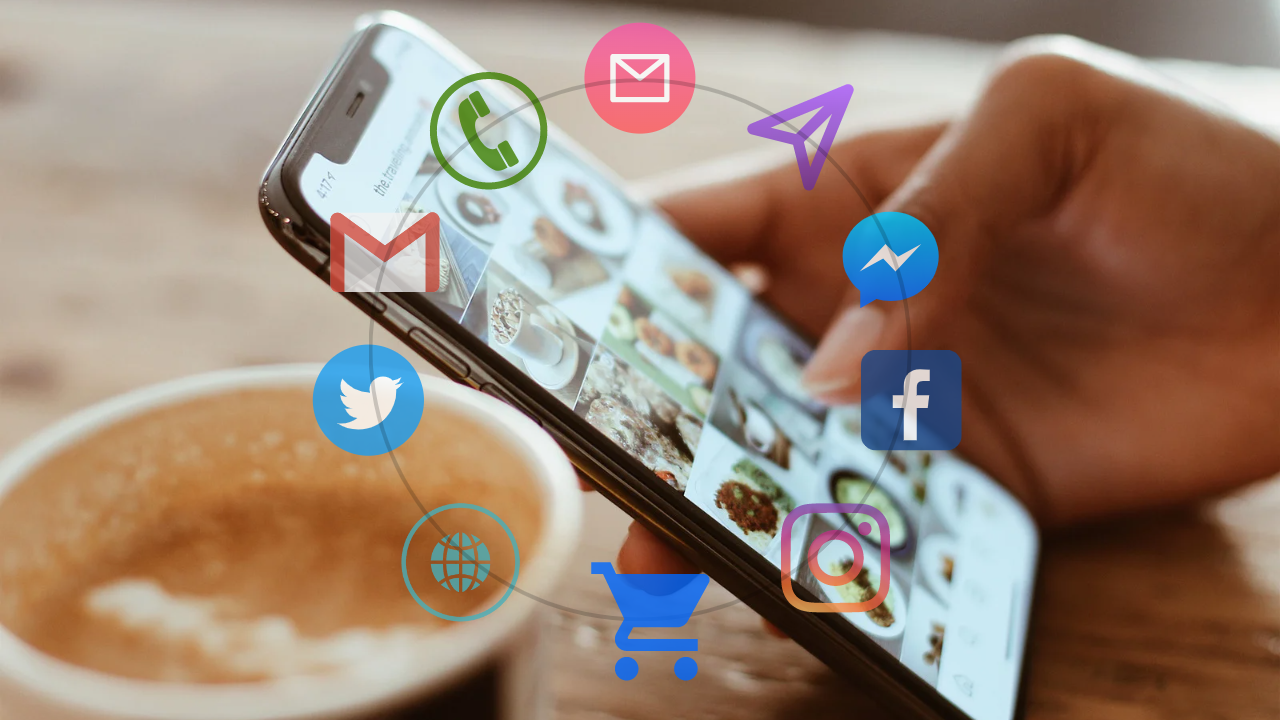
Introduction to Multi-Channel Marketing
Multi-channel marketing is more than just a trendy buzzword—it’s a game-changing approach that helps brands engage with customers on various platforms simultaneously. Rather than relying solely on one channel, this strategy empowers businesses to interact with their audience across multiple touchpoints, including social media, email, websites, mobile apps, and more.
The biggest benefit? Consistency and reach. It ensures your message is seen by a broader audience, increases brand recognition, and improves conversion rates through repeated exposure. Imagine reinforcing your brand message on Instagram, while simultaneously nurturing leads through email campaigns and driving organic traffic with SEO-optimized blog posts.
Marketing has come a long way—from door-to-door pitches to digital omnipresence. With mobile-first consumers expecting seamless brand experiences, it’s crucial to connect with them wherever they spend their time. And Instagram? It’s often the most visual, engaging, and influential part of this mix.
Why Instagram is a Key Player in Multi-Channel Strategies
Instagram isn’t just a photo-sharing app anymore. It’s become a central hub for brands looking to build community, showcase authenticity, and drive conversions.
- Consumer Engagement: Instagram’s algorithms favor content that sparks interaction—likes, comments, shares, and saves. This provides a perfect playground to experiment and gather feedback quickly.
- Unique Features: From Stories and Reels to IGTV and Shopping, Instagram offers tools that complement other platforms. It’s especially effective when used alongside storytelling on YouTube, in-depth posts on blogs, or exclusive offers via email.
Instagram fits right in with platforms like Facebook (which shares its ad infrastructure), TikTok (for short-form creativity), and email (for personalized offers), making it an irreplaceable part of your multi-channel puzzle.
Setting SMART Goals for Your Strategy
Before diving into content and scheduling, set S.M.A.R.T. goals (Specific, Measurable, Achievable, Relevant, Time-bound). Ask yourself:
- Do you want to grow your follower base on Instagram by 25% in 3 months?
- Do you aim to convert Instagram traffic into 500 newsletter sign-ups monthly?
Once goals are in place, define key performance indicators (KPIs) such as engagement rate, click-through rate, or conversion rate, and ensure they align across all platforms. If you’re tracking sales from Instagram and also from email, make sure your analytics tools can compare apples to apples.
Identifying Your Target Audience Across Channels
Each platform has its own audience nuance. But your brand should have a unified understanding of the ideal customer:
- Use Instagram Insights to analyze demographics—age, location, interests.
- Compare it with email subscriber data, Google Analytics, and TikTok trends.
- Map out the customer journey—from awareness to purchase—and identify which channel best supports each stage.
Understanding these patterns will help you deliver the right message at the right time on the right platform.
Selecting Complementary Channels to Instagram
Instagram is strong visually and socially, but it needs support. Here’s how to choose wisely:
- Email Marketing: Great for personalized follow-ups, newsletters, and exclusive deals.
- YouTube or TikTok: Extend storytelling with longer videos or viral challenges.
- Blogs and SEO Content: Attract organic traffic and provide value-based content linked via your Instagram bio.
Combining these allows you to maximize reach and reinforce messages, while also catering to different content consumption preferences.
Crafting a Consistent Brand Voice Across All Platforms
Whether a user finds you on Instagram, reads your email, or visits your website, your brand voice and visuals must stay consistent. This builds trust and reinforces identity.
- Create brand guidelines that cover tone (friendly, professional, witty), color palette, fonts, and photo styles.
- Make sure your captions, emails, and even replies maintain the same vibe.
- Repurpose Instagram captions into blog intros or email headers with minimal edits.
Creating Platform-Specific Content that Feeds Into Instagram
Instagram thrives on content that’s quick, creative, and visually captivating. But don’t waste time creating everything from scratch. Instead:
- Turn YouTube clips into Reels.
- Convert blog stats into carousel infographics.
- Use Story polls and quizzes to re-engage email list subscribers.
This approach ensures content consistency while saving time.
Leveraging Instagram Insights for Cross-Channel Improvements
Instagram Insights are treasure troves of real-time data. Analyze:
- Best posting times
- Engagement rates by content type
- Audience demographics and behavior
Apply these insights to fine-tune email campaign timings, blog post topics, and ad targeting across platforms. It ensures you learn from what works and scale it everywhere.
Building and Using a Content Calendar
A robust content calendar keeps your entire strategy on track:
| Platform | Content Type | Goal | Date |
|---|---|---|---|
| Carousel + Reels | Engagement | Every Mon & Fri | |
| Blog | How-to Article | SEO Traffic | Every Tuesday |
| Newsletter | Retention | Every Wednesday |
Use tools like Trello, Notion, or Asana, and sync them with scheduling platforms like Later or Hootsuite to automate and stay consistent.
Integrating Paid Ads into Your Strategy
Paid ads amplify your content’s reach:
- Use Instagram Ads for visual hooks and instant engagement.
- Retarget through Facebook Ads Manager based on engagement or email opens.
- Coordinate the same message across email banners, Instagram posts, and Google Ads.
Using Influencers Across Multiple Channels
Influencers aren’t just limited to Instagram anymore. While they can generate huge reach on Instagram through Reels, Stories, and static posts, they also help you extend your message across YouTube, TikTok, and even email newsletters.
Here’s how to do it effectively:
- Choose versatile influencers: Look for those active on multiple platforms. For example, a fitness influencer who posts workouts on Instagram, longer tutorials on YouTube, and quick tips on TikTok.
- Create unified campaigns: Instead of giving separate briefs for each channel, develop one campaign concept that gets tailored content for each platform.
- Track influencer performance: Use affiliate links, UTM codes, and platform analytics to measure effectiveness across all touchpoints.
The goal is to ensure the influencer’s community engages with your brand across the entire customer journey.
Encouraging Cross-Channel Traffic and Engagement
Instagram is often a discovery or engagement point. Use it to push users toward deeper interactions:
- Instagram Bio Link: Use link-in-bio tools like Linktree, Beacons, or Later’s Linkin.bio to direct users to blog posts, YouTube videos, or email sign-ups.
- Cross-post highlights: Share blog snippets or email previews in Stories or carousels.
- Interactive posts: Polls and quizzes on Instagram Stories can direct followers to take actions on other platforms—like visiting your website or joining a webinar.
Every piece of content should include a clear call to action (CTA) leading to the next step on a different channel.
Tools and Platforms for Multi-Channel Marketing Management
Juggling multiple platforms can get overwhelming fast. Fortunately, there are robust tools to help:
| Tool | Function | Best For |
|---|---|---|
| Hootsuite | Scheduling & Monitoring | Instagram, Twitter, Facebook |
| Later | Instagram Visual Planner | Reels, Carousels, Stories |
| HubSpot | CRM & Email Automation | Email + Lead Nurturing |
| Buffer | Cross-Posting & Analytics | Broad Channel Management |
| Canva | Design Templates | Brand Consistency |
These tools let you plan, publish, and analyze from a central hub—saving time and increasing impact.
Measuring Success and Adjusting Your Strategy
A successful multi-channel strategy is data-driven and flexible. Use the following metrics:
- Engagement rates (likes, shares, comments)
- Conversion rates (sales, sign-ups)
- Click-through rates (from Instagram bio or Stories)
- Email open and bounce rates
- Traffic sources and bounce rates via Google Analytics
Implement A/B testing on everything—from ad creatives to Instagram captions to email subject lines. Then use the results to refine and optimize across channels continuously.
Common Mistakes to Avoid in Multi-Channel Marketing
Even seasoned marketers fall into traps. Here are the most common pitfalls to steer clear of:
- Overlapping content: Don’t post the same thing everywhere. Repurpose content creatively for each platform.
- No unified voice: A fun, witty tone on Instagram but dry and robotic emails confuse users. Align your messaging.
- Lack of measurement: If you’re not tracking results, you’re flying blind.
- Ignoring audience differences: Instagram’s Gen Z crowd may not respond the same way your blog readers do.
Fixing these mistakes ensures your strategy is efficient, effective, and brand-consistent.
Case Studies of Successful Multi-Channel Campaigns Using Instagram
1. Nike Women’s #YouCanDoIt Campaign
Nike launched inspirational Stories and Reels on Instagram, supported by YouTube interviews and blog posts on women in sports. Their email newsletters followed up with motivational messages and exclusive product drops. Result? Increased brand engagement and massive cross-channel growth.
2. Glossier’s Product Launch Strategy
Glossier teases new products via Instagram Stories and Reels, then launches them through email campaigns and blog posts. Influencers often receive products early, showcasing them across Instagram and TikTok. Sales spike thanks to synchronized buzz.
These examples show how Instagram can anchor your strategy while working in harmony with other channels.
Future Trends in Multi-Channel Marketing
What’s next in the world of multi-channel marketing with Instagram?
- AI-Driven Personalization: Expect hyper-personalized experiences based on behavior across platforms.
- AR and VR Integration: Augmented Reality filters on Instagram, connected with virtual product trials on websites.
- Social Commerce Expansion: Instagram Shop will keep evolving, tightly integrating with eCommerce platforms.
Stay ahead by adapting early and experimenting often with these trends.
Conclusion
Creating a multi-channel marketing strategy using Instagram as a hub is not only possible—it’s essential in today’s digital world. With the right goals, audience insights, tools, and content repurposing tactics, you can build a consistent, engaging, and effective presence across platforms.
FAQs
Q1. Can I manage multiple platforms with one tool?
Yes! Tools like Hootsuite, Buffer, and Later allow you to schedule, monitor, and analyze content across various platforms from one dashboard.
Q2. How often should I post across channels?
It depends on your audience and goals. Generally, post 3–5 times a week on Instagram, once a week on your blog, and send at least one email newsletter weekly.
Q3. How do I know which channel is performing best?
Use analytics platforms like Google Analytics, Instagram Insights, and email reports to measure KPIs like engagement, conversions, and ROI.
Q4. Should I use the same content on all platforms?
No. Repurpose content smartly. A blog post can become an Instagram infographic, a Story poll, and a tweet—but avoid copy-pasting.
Q5. How can I grow my audience across channels?
Promote your other platforms in your Instagram bio, email signature, and captions. Offer incentives like free resources or giveaways for cross-platform engagement.