

Introduction
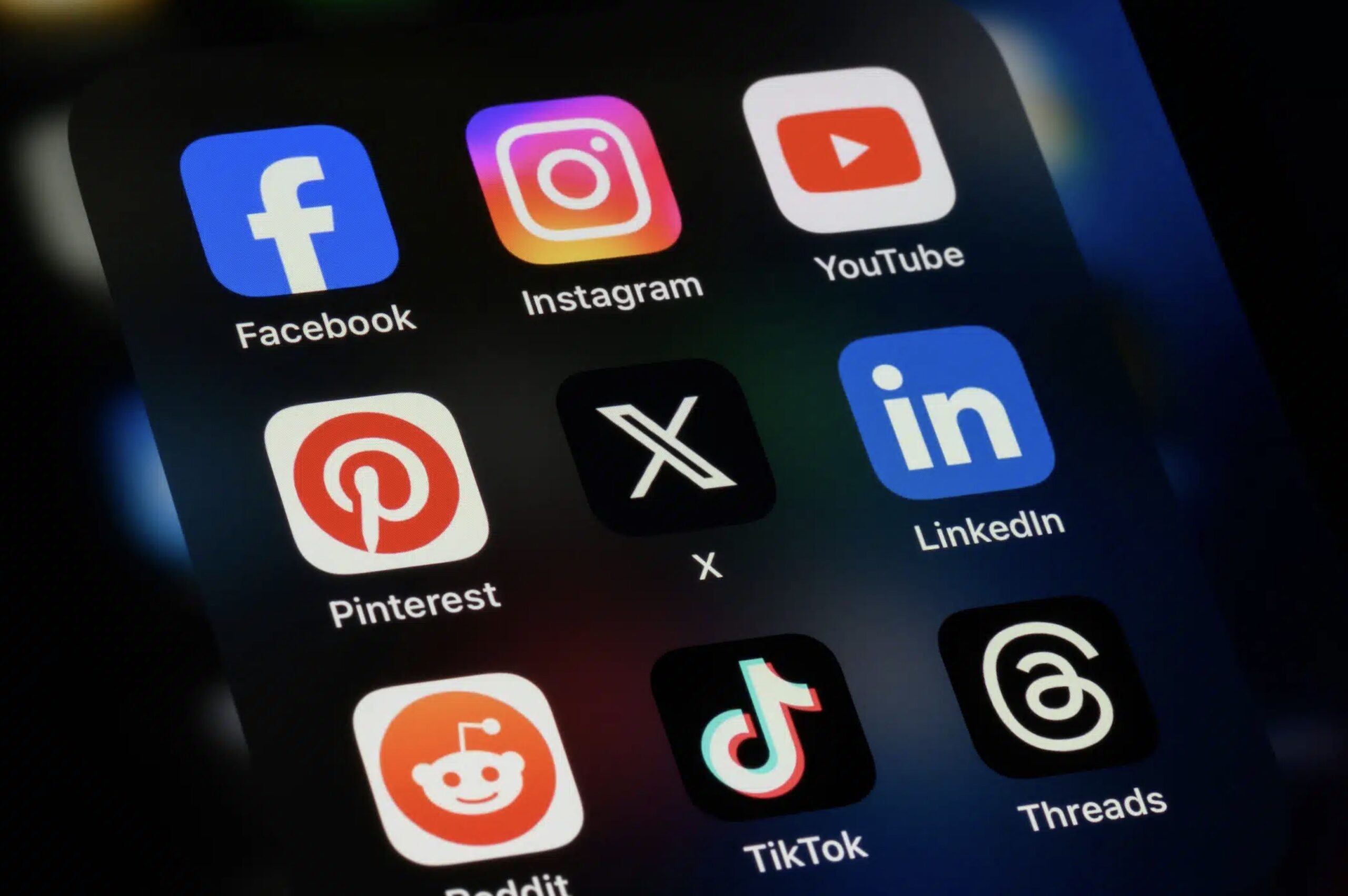
In today’s digital landscape, social media marketing is an essential strategy for businesses and content creators looking to expand their reach. Among the many platforms available, YouTube stands out as a dominant force in video marketing. However, platforms like Facebook, Instagram, TikTok, LinkedIn, and Twitter offer unique marketing advantages as well. So, which platform is best for marketing? This article explores YouTube’s strengths and compares them with other social media platforms to help you determine the best choice for your marketing strategy.
1. The Power of YouTube in Marketing
YouTube is the second-largest search engine after Google and has over 2.5 billion monthly active users. It offers long-form content, live streaming, and monetization opportunities, making it ideal for businesses looking for in-depth audience engagement.
Key Benefits of YouTube for Marketing:
- SEO Advantages: YouTube videos rank on Google, increasing discoverability.
- Longer Content Lifespan: Unlike Instagram Stories or TikTok videos, YouTube content remains relevant for years.
- Monetization Opportunities: Brands and creators can earn through ads, memberships, and sponsorships.
- Global Reach: Available in over 100 countries and 80 languages.
2. Facebook vs. YouTube: Which is More Effective?
Facebook has nearly 3 billion active users, making it a powerful platform for marketing. However, Facebook and YouTube serve different purposes.
| Feature | YouTube | |
|---|---|---|
| Content Type | Long-form videos | Short videos, live streams, posts |
| Audience | Global reach, younger audience | Diverse demographics |
| Engagement | High watch time, SEO benefits | High interaction with posts, groups |
| Ad Performance | YouTube Ads have a high ROI | Facebook Ads allow advanced targeting |
Verdict: If your goal is long-term brand building and visibility, YouTube is better. If you need quick engagement and paid advertising, Facebook is a strong option.
3. Instagram vs. YouTube: Short-Form vs. Long-Form Content
Instagram focuses on visual storytelling with Reels, Stories, and IGTV, while YouTube specializes in long-form content.
Instagram’s Advantages for Marketing:
- Short, engaging video content (Reels)
- High engagement through Stories and posts
- Great for influencer collaborations
YouTube’s Advantages for Marketing:
- SEO-driven discoverability
- In-depth content with detailed explanations
- Higher potential for monetization
Verdict: If your brand thrives on quick, visually appealing content, Instagram is ideal. If your focus is on educational, evergreen content, YouTube wins.
4. TikTok vs. YouTube: Which is Better for Virality?
TikTok is one of the fastest-growing platforms, with over 1 billion users. It is designed for short, entertaining videos.
Comparison:
- TikTok: High virality, shorter videos (15-60 seconds), best for trends and challenges.
- YouTube: Longer watch time, better for detailed content, higher ad revenue potential.
Verdict: TikTok is great for quick brand awareness and trends, while YouTube is better for sustained brand growth.
5. LinkedIn vs. YouTube: Which is Best for B2B Marketing?
LinkedIn is a professional networking platform, making it ideal for B2B marketing. However, YouTube allows businesses to create valuable industry-related content.
LinkedIn’s Strengths:
- Best for professional and industry-related content.
- Ideal for networking and lead generation.
- Strong engagement in B2B sectors.
YouTube’s Strengths:
- Best for detailed educational content.
- High SEO value and long-term discoverability.
- Ideal for product tutorials and brand authority.
Verdict: For B2B businesses, LinkedIn is better for direct networking, while YouTube is superior for long-term content marketing.
6. Twitter vs. YouTube: Quick Updates vs. In-Depth Content
Twitter is designed for quick updates and conversations, while YouTube is optimized for detailed videos.
Twitter’s Advantages:
- Best for news, updates, and customer service.
- Quick interaction with users.
- Hashtag trends help boost content.
YouTube’s Advantages:
- Stronger long-term content strategy.
- Higher engagement with detailed videos.
- Monetization opportunities.
Verdict: Twitter is great for immediate engagement, while YouTube is better for long-lasting content marketing.
7. YouTube Ads vs. Other Social Media Ads
YouTube Ads and social media ads serve different marketing needs.
Pros of YouTube Ads:
- Higher watch time and engagement.
- Video ads are more memorable.
- Ideal for storytelling.
Pros of Other Social Media Ads:
- Facebook and Instagram allow precise ad targeting.
- TikTok Ads reach younger audiences quickly.
- LinkedIn Ads work best for B2B marketing.
Verdict: If you want high engagement and storytelling, YouTube Ads are the best. If you need fast reach and targeting, other social media ads work well.
Conclusion: Which Platform Should You Choose?
The best marketing platform depends on your business goals and audience.
- Choose YouTube if you want long-term visibility, SEO benefits, and high engagement.
- Choose Facebook or Instagram for social engagement and influencer marketing.
- Use TikTok for trendy, short-form content and brand awareness.
- Use LinkedIn if you focus on B2B networking and professional branding.
Ultimately, combining YouTube with other social media platforms creates the most effective marketing strategy.
FAQs
1. Is YouTube better than social media for marketing?
YouTube is a powerful marketing platform, especially for SEO, long-form content, and brand authority. However, social media platforms like Instagram and TikTok are better for short-form, viral content.
2. Which platform is best for paid advertising: YouTube or Facebook?
Facebook Ads offer better audience targeting, while YouTube Ads have higher engagement and conversion rates due to video storytelling.
3. Can I use YouTube and other social media platforms together?
Yes! A strong strategy includes cross-promoting content across platforms. For example, use TikTok for quick promotions and YouTube for detailed videos.
4. Is TikTok replacing YouTube for marketing?
No. TikTok is great for trendy, short-form videos, while YouTube remains the best for long-form, evergreen content.
5. How does YouTube rank compared to Instagram for influencer marketing?
Instagram is stronger for influencer marketing due to brand partnerships, but YouTube provides higher engagement and monetization potential.