


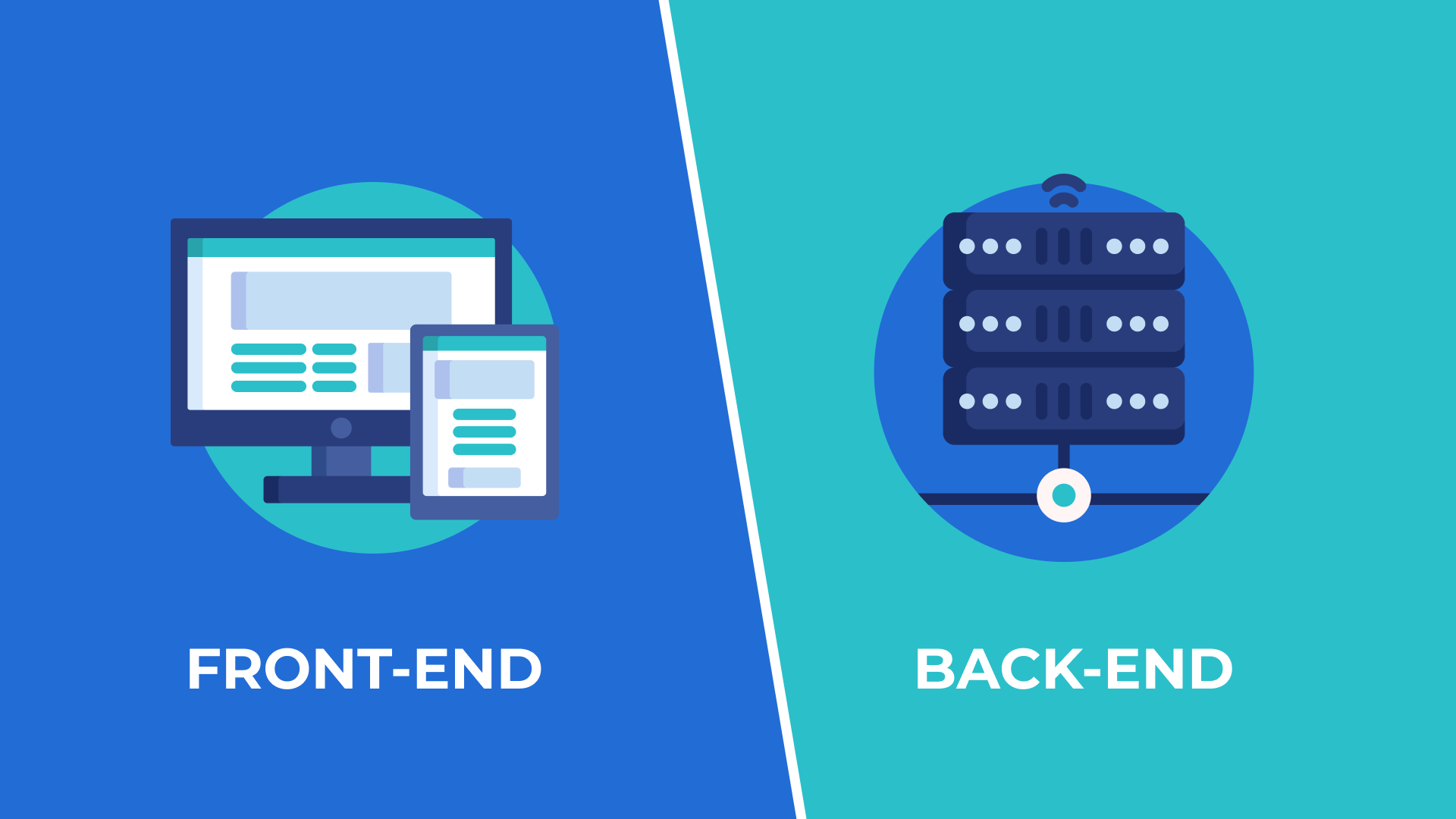
Web development is typically divided into front-end and back-end development. While both play crucial roles in building websites and applications, they focus on different aspects of development. This guide will break down the key differences, technologies, and career paths associated with each.
1. Introduction to Web Development
Web development involves creating and maintaining websites and web applications. It consists of two main components:
- Front-End Development: Deals with the user interface and user experience (UI/UX).
- Back-End Development: Manages the server, database, and application logic.
Both are essential for a fully functional web application.
2. What is Front-End Development?
Front-end development focuses on the visual and interactive elements of a website that users directly interact with.
Key Responsibilities:
- Designing website layouts.
- Developing interactive elements like buttons and menus.
- Ensuring mobile responsiveness and cross-browser compatibility.
- Optimizing website performance for a smooth user experience.
Technologies Used in Front-End Development:
| Technology | Purpose |
|---|---|
| HTML | Creates the structure of web pages. |
| CSS | Styles and formats the appearance of web pages. |
| JavaScript | Adds interactivity and dynamic behavior. |
| React.js | JavaScript library for building user interfaces. |
| Vue.js | Lightweight JavaScript framework for UI development. |
| Bootstrap | CSS framework for responsive web design. |
Example of Front-End Code (HTML + CSS + JS):
htmlCopyEdit<!DOCTYPE html>
<html lang="en">
<head>
    <title>Front-End Example</title>
    <style>
        body { font-family: Arial, sans-serif; background-color: #f4f4f4; text-align: center; }
        button { padding: 10px 20px; background-color: blue; color: white; border: none; cursor: pointer; }
    </style>
</head>
<body>
    <h1>Hello, Front-End!</h1>
    <button onclick="alert('Button Clicked!')">Click Me</button>
    <script>
        console.log("Front-end JavaScript running!");
    </script>
</body>
</html>
This code demonstrates a basic web page with a styled button that triggers an alert when clicked.
3. What is Back-End Development?
Back-end development handles the server-side logic, databases, and application performance. It ensures that the front-end receives the necessary data to function correctly.
Key Responsibilities:
- Managing databases and user authentication.
- Processing requests from the front end.
- Handling business logic and security.
- Connecting with APIs and third-party services.
Technologies Used in Back-End Development:
| Technology | Purpose |
|---|---|
| Node.js | JavaScript runtime for server-side development. |
| Python (Django, Flask) | Frameworks for building web applications. |
| PHP | Server-side scripting for dynamic web content. |
| Ruby on Rails | Web framework using Ruby. |
| SQL / MongoDB | Databases for storing and retrieving data. |
| Express.js | Web framework for Node.js. |
Example of Back-End Code (Node.js + Express.js):
javascriptCopyEditconst express = require('express');
const app = express();

app.get('/', (req, res) => {
    res.send('Hello from the Back-End!');
});

app.listen(3000, () => {
    console.log('Server is running on port 3000');
});
This code sets up a simple Node.js server using Express that responds with “Hello from the Back-End!”
4. Key Differences Between Front-End and Back-End Development
| Feature | Front-End Development | Back-End Development |
|---|---|---|
| Focus | User interface and experience | Server, database, and application logic |
| Technologies | HTML, CSS, JavaScript, React, Vue | Node.js, Python, PHP, SQL, MongoDB |
| Interaction | Directly visible to users | Runs in the background |
| Performance | Affects site speed and responsiveness | Handles data processing and server efficiency |
| Example | Website design, buttons, animations | User authentication, database management |
5. Full-Stack Development: Combining Both
A Full-Stack Developer works on both front-end and back-end development. Full-stack developers are highly valued because they understand the complete web development process.
Common Full-Stack Technologies:
- MERN Stack: MongoDB, Express.js, React, Node.js
- MEAN Stack: MongoDB, Express.js, Angular, Node.js
- LAMP Stack: Linux, Apache, MySQL, PHP
6. Career Paths and Salary Comparison
| Role | Average Salary (USA) | Skills Required |
|---|---|---|
| Front-End Developer | $75,000 – $120,000 | UI/UX, HTML, CSS, JavaScript |
| Back-End Developer | $85,000 – $130,000 | Databases, APIs, server-side programming |
| Full-Stack Developer | $90,000 – $150,000 | Front-end + Back-end skills |
Back-end development generally offers higher salaries due to its complexity and demand.
Conclusion
Both front-end and back-end development are essential for building functional and visually appealing websites. Front-end focuses on design and user experience, while back-end handles data processing and server-side logic. Aspiring developers can choose to specialize in one or become full-stack developers for a broader skill set and career opportunities.
Frequently Asked Questions (FAQs)
1. Which is harder, front-end or back-end development?
Back-end development is often considered more challenging due to databases, security, and server logic. However, front-end development requires creativity and UI/UX skills.
2. Can I become a Full-Stack Developer without learning both?
No, full-stack development requires knowledge of both front-end and back-end technologies. However, you can start with one and gradually learn the other.
3. What are the best resources to learn front-end and back-end development?
- Front-End: freeCodeCamp, MDN Web Docs, W3Schools
- Back-End: Node.js Docs, PostgreSQL Tutorial, Udemy Courses
4. Which programming languages are best for web development?
For front-end: JavaScript, TypeScript
For back-end: Python, PHP, Node.js, Java, Ruby
5. Do I need to learn both front-end and back-end to get a job?
No, you can specialize in either front-end or back-end development. However, learning both (full-stack development) increases job opportunities.