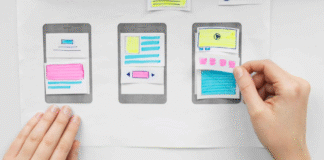


Introduction
User testing is an essential part of the design process that ensures products, websites, and applications meet user needs and expectations. By gathering real user feedback, designers can identify usability issues, improve functionality, and enhance overall user satisfaction. Without user testing, even the most well-designed products can fail to deliver a seamless experience, leading to frustration and lower engagement.
This article explores the significance of user testing in design, its benefits, and how it can be effectively implemented. We will also answer five frequently asked questions (FAQs) to help you understand its role in creating successful designs.
What is User Testing?
User testing, also known as usability testing, is the process of evaluating a product, service, or system by observing real users as they interact with it. The goal is to identify pain points, gather insights, and refine the design to ensure a better user experience.
Why is User Testing Important in the Design Process?
1. Identifies Usability Issues Early
User testing helps designers detect and fix usability issues before the product is launched. This proactive approach saves time and resources that would otherwise be spent on costly post-launch revisions.
2. Enhances User Experience (UX)
By understanding user behavior and preferences, designers can create intuitive and user-friendly interfaces. A seamless UX leads to higher satisfaction and increased engagement.
3. Reduces Development Costs
Fixing design issues after launch is expensive. User testing minimizes these costs by addressing problems early in the development phase.
4. Increases Conversion Rates
A well-optimized design improves usability, which leads to higher conversion rates. Whether it’s an e-commerce site or a mobile app, an intuitive design encourages users to complete desired actions.
5. Supports Data-Driven Decisions
User testing provides valuable insights based on actual user interactions. Designers can use this data to make informed decisions rather than relying on assumptions.
Types of User Testing
1. Moderated vs. Unmoderated Testing
- Moderated Testing: Conducted in person or remotely with a facilitator guiding the user.
- Unmoderated Testing: Users complete tasks independently without real-time assistance.
2. A/B Testing
Comparing two versions of a design to determine which performs better based on user interactions.
3. Remote vs. In-Person Testing
- Remote Testing: Conducted via online platforms, allowing users to participate from anywhere.
- In-Person Testing: Conducted in a controlled environment, providing direct interaction with users.
4. Eye Tracking & Heatmaps
Tools like eye-tracking software and heatmaps help designers understand where users focus their attention on a webpage or application.
How to Conduct Effective User Testing
1. Define Goals and Objectives
Identify what you want to achieve from user testing, such as improving navigation, enhancing accessibility, or refining visual elements.
2. Select the Right Users
Recruit participants who represent your target audience to gain meaningful insights.
3. Choose the Testing Method
Select the appropriate testing method based on your product, goals, and available resources.
4. Observe and Collect Feedback
Encourage users to complete tasks while thinking aloud. Gather both qualitative and quantitative data.
5. Analyze Results and Implement Changes
Use the feedback to refine the design, resolve issues, and improve usability.
Conclusion
User testing is a critical step in the design process that ensures products are user-friendly, efficient, and aligned with user expectations. By integrating user testing early and continuously, designers can create experiences that truly resonate with their audience.
FAQs
1. When should user testing be conducted?
User testing should be conducted at multiple stages of the design process—during initial prototyping, before launch, and even after launch to ensure continuous improvements.
2. How many users are needed for effective testing?
Research suggests that testing with 5 to 7 users can uncover most usability issues. However, testing with a larger group can provide deeper insights.
3. What tools can be used for user testing?
Popular user testing tools include UsabilityHub, UserTesting, Hotjar, Lookback.io, and Maze. These tools provide valuable insights into user behavior.
4. What is the difference between usability testing and user research?
Usability testing focuses on how users interact with a product, while user research explores broader user needs, behaviors, and motivations.
5. Can user testing be done on a limited budget?
Yes! Low-cost methods like guerrilla testing (quick feedback from random users) and remote testing with free tools can be effective for gathering insights without a large budget.